
By Shelley Malicote Stutchman
When Compassion Leads the Story
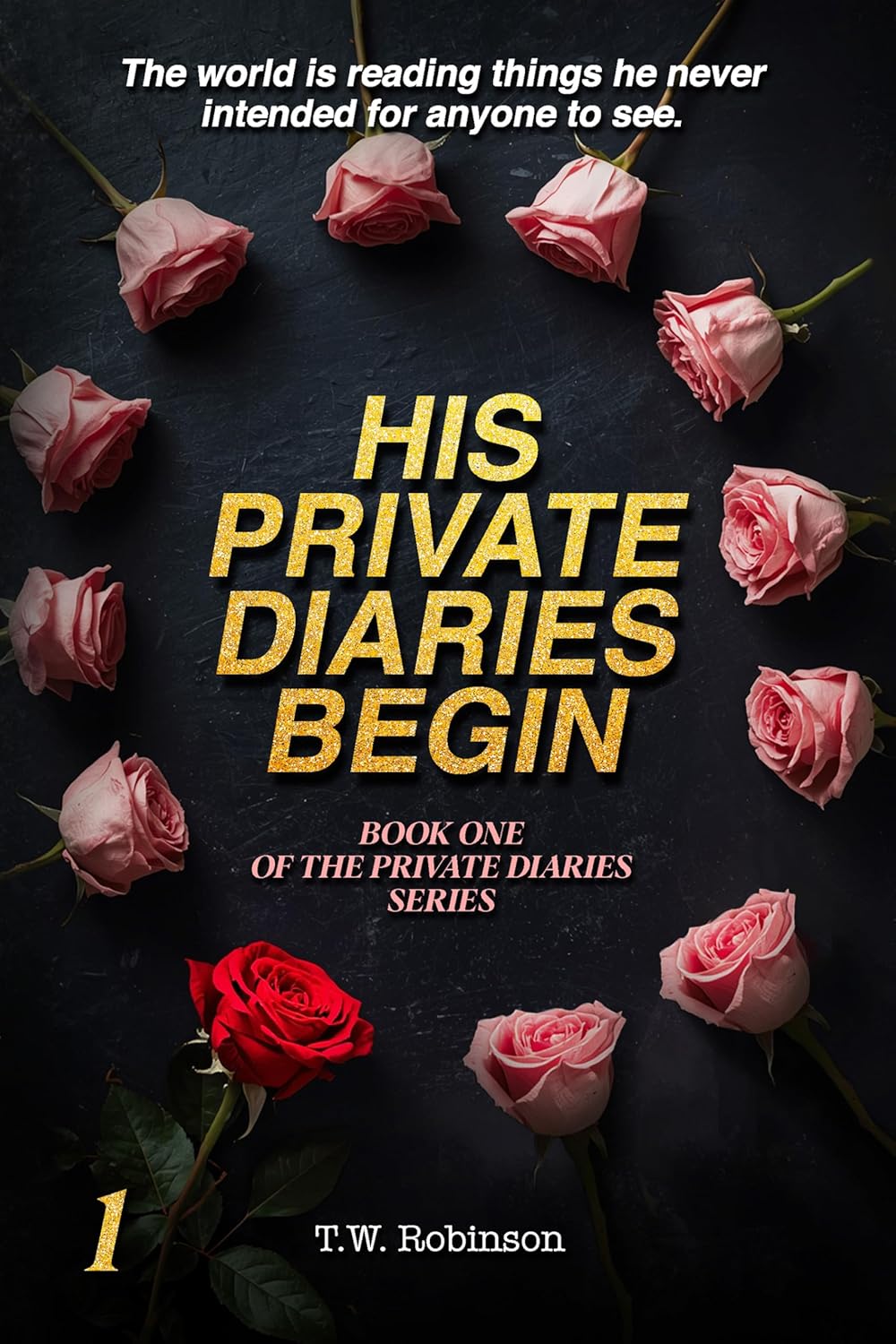
Mental health matters just as much as physical health, and it’s about time we started treating it that way. That’s why authors who include trigger warnings at the front of their books aren’t being cautious; they’re showing compassion. The trigger warning in His Private Diaries Begin, proves the point. Though longer than most warnings, it clearly lays out the psychological events in the story, giving readers the power to choose whether this is a journey they’re ready to take. That kind of honesty doesn’t weaken a story; it strengthens the trust between writer and reader. Once that bond is established, we’re far more willing to keep turning the page and read more from the author who has gained our trust.
A Case Study in Care: His Private Diaries Begin
Author T. W. Robinson graciously permitted the use of his trigger warning from his book, His Private Diaries Begin, for this blog. This trigger warning does more than alert readers to potentially distressing material. T.W. Robinson wrote this warning with compassion, respects the reader's emotional well-being, and invites curiosity. Rather than pushing readers away, it gently prepares them while also enticing them to step into the story, fully informed and supported. To understand why this particular trigger warning stands out, it helps to read it in full.
WARNING:
This story is not for the faint of heart! This series contains graphic violence, adult language, alcohol abuse, drug abuse, sexual abuse, violent death, suicide, child abuse, human trafficking, consensual non-consent, and extreme sexual content. It is intended for mature readers.
These books also contain a very graphic depiction of the sex industry, as well as a look into the real lives of prostitutes, strippers, and sex trafficking victims. People in this industry are seldom portrayed correctly in any movies, TV shows, or other books. They are, however, portrayed accurately in this story. The main plot and almost all subplots of this series have absolutely nothing to do with the sex industry. However, a select few do. There are fictional characters in this story who work in this trade. While the characters are fictional, their stories are not. I wrote it how it happened in real life to real people. I took no artistic liberties at all when it came to writing these storylines. I only changed names, places, and minor details to protect the innocent. Some of these subplots are extremely brutal. If you or someone you care about has been involved in the sex industry or been abused in any way, I strongly recommend that you never read this series. These storylines are likely to be very triggering for some people. It could be especially hard on those who have suffered similar abuse. The most brutal of the storylines will occur in the seventh book of the series, so be forewarned what you're getting yourself into. This is a very emotional and a very dark story. I plan to make my readers cry rivers of tears and break their hearts into a thousand pieces before they get to that "happily ever after" ending. If you're still interested in reading this series after seeing this warning, thank you for everything you're about to go through. I appreciate you and your time more than I could ever put into words. If you decide not to read it, I respect your decision. I understand, wholeheartedly, that some people will never want anything to do with this story.
-TW
Reading Robinson’s warning raises a larger question: What exactly are trigger warnings meant to do, and why have they become such a charged topic in the literary world?
What Exactly Is a Trigger Warning?
Trigger warnings are brief statements that alert readers to potentially distressing content. Research shows that 51% of college professors now use trigger warnings before assigning literature that may provoke anxiety in students with past trauma. Interestingly, there’s no clear data on how many authors choose to include them in their own books. That absence raises an important question: if educators see the value in preparing readers, shouldn’t authors follow their lead?
But once we understand what trigger warnings are, the harder conversation begins.
Do Trigger Warnings Limit Creative Freedom?
As a writer, I wonder if trigger warnings might limit creative freedom, limit risk-taking in our stories, or give readers an easy out from stories that are uncomfortable but important. At the same time, I also believe writers have a responsibility to consider their readers’ mental health without feeling pressured to soften their truth or apologize for telling it. So, I keep coming back to the same question: while trigger warnings are meant to protect readers, could they also be quietly nudging some writers toward self-censorship?

What Readers Say Matters
Beyond personal opinion, reader response also plays an important role in this story. The Pew Research Center, a nonpartisan research organization that studies social issues and public opinion, reports that 63% of readers appreciate trigger warnings. According to the research, these warnings give readers the power to decide whether they want to engage with material that includes sensitive content. On the surface, that sounds like progress. However, this raises another question: how many readers avoid books because of a trigger warning, even though those books may help them heal? As writers, our work is not just to protect, but to enlighten. As authors, we try to teach, to entertain, and sometimes to help a reader confront something they’ve been avoiding. That kind of growth rarely comes from staying comfortable, for both the reader and the writer.
When Difficult Content Is the Point
Still, reader preference isn’t the only factor writers must consider. The question of trigger warnings also forces us to look at literature itself and what might be lost when discomfort is avoided. Another question writers must wrestle with before adding a trigger warning is this: Does the difficult material make the book stronger? If a scene or theme is essential to the story, do we water it down or remove it to avoid the discomfort that comes with a warning label? And if we do, haven’t we crossed the line into self-censorship? Today’s authors face pressures that the literary greats never faced. Consider Ralph Ellison, born in Oklahoma City, whose novel Invisible Man gave the reader a view of racism and won the National Book Award for Fiction in 1953. If trigger warnings had existed then, the book may have carried a trigger warning for violence, language, incest, and other unsettling themes. Do you think Ellison would have been encouraged to soften his words or silence parts of the story if he were writing it today? And if that had happened, would Invisible Man still stand as one of the most powerful novels in American literature? Those questions don’t live in the past; they sit squarely on the shoulders of today’s writers.

Writing Has Always Been Emotional
Today’s authors are writing in a landscape shaped by heightened awareness of mental health and reader sensitivity. Writers now may anticipate every possible reaction before a single page is turned, and that pressure can be paralyzing. For some, it is enough to silence the work altogether. When a writer chooses to include a trigger warning out of love and care for their readers, it changes how the story is approached and shaped. What readers rarely see are the private dilemmas behind the page: the weighing of honesty against caution, responsibility against creative freedom. These are the hard choices modern writers must make. It is within this tension that the final question emerges, one that deserves careful thought before we decide where we stand. Then there’s the concern that few writers like to say out loud.
The Reader No One Talks About
Here's another thing about trigger warnings that nobody wants to talk about: the warning might attract the wrong readers. This theory is being discussed in online writing groups. What if someone struggling with severe mental health issues uses our detailed content warnings as a shopping list for harmful material? Being an author in 2026 isn't what it used to be. We're not just storytellers anymore; in today's world, we know that every choice we make on the page carries weight.
Do Trigger Warnings Affect Book Sales?
While researching the impact of trigger warnings on book sales, I found that the warnings rarely hurt sales. Readers who are sensitive to specific triggers usually make their decisions long before opening the book—by studying the cover, reading the blurb, and trusting their instincts. In some cases, trigger warnings build goodwill. Readers often appreciate the honesty and may look for other books by the same author that feel safer for them. In genres like horror or crime, trigger warnings can work in the author's favor. These readers enjoy dark and unsettling material, and the warnings pique curiosity and can increase interest and sales. All of this brings us back to the heart of the debate.
Where Does This Leave Us?
In the end, trigger warnings are neither villains nor virtue signals. The warnings are tools. Tools that are imperfect, evolving, and tied to the world we’re living in. The warnings can offer care and choice to readers who need it, while also placing new and complicated demands on writers who are trying to tell the truth as honestly as they know how. Stories have the power to disturb, challenge, and transform our readers. As writers, we must decide whether our responsibility ends with protecting our readers or extends to trusting them enough to sit with discomfort, wrestle with difficult truths, and grow because of them. So, the question remains: are trigger warnings a bridge that helps readers enter complex stories safely, or a gate that quietly keeps them, and the writers who create them, from crossing at all? So where does that leave the working writer?
A Note to Fellow Writers
When deciding if to include a trigger warning, step back and consider your audience and the theme of your book. If your story includes abuse, violence, or self-harm, a trigger warning can give readers the chance to prepare themselves if they decide to read your book. If your book addresses racial trauma or mental health struggles, adding a disclaimer may be the right move. The debate around trigger warnings is complex. With concerns about censorship, artistic freedom, and the reader's mental health, there are no easy answers. This conversation about trigger warnings isn’t going away. As awareness around mental health continues to grow, discussions about trigger warnings will likely remain front and center for years to come.
When creating a trigger warning, keep two things in mind:
• Be specific
• Be clear
Finally, I have to acknowledge my own experience with this question.

**Trigger Warnings ** Please note this book contains scenes depicting rape and physical abuse. There are themes of addiction and suicide, domestic violence, bigamy, and eating disorders. This may trigger survivors of abuse, addiction, and sexual violence/molestation.
Blogger's Note:
When I published my book about my personal journey with breast cancer, I didn’t include a trigger warning. It didn’t occur to me. I felt the story needed to be told raw and honestly. One day, a breast cancer survivor told me she bought my book, but couldn’t bring herself to read it, because she wasn’t ready to reopen wounds from her cancer journey. That caught me off guard, and her unwillingness to read my book frustrated me. However, I started rolling over what she said in my mind. It made me think about how personal reading really is, and how much baggage, history, pain, and memory people bring with them before they ever turn the first page. Maybe a trigger warning would have offered gentleness where I unknowingly offered pain. That lesson will stay with me, shaping how I write and how I honor the courage it takes to read.
About Shelley Malicote Stutchman
Shelley Malicote Stutchman, a survivor of breast cancer, has emerged as a dedicated patient advocate. Her journey, from being a retired nurse and former community liaison for home health and hospice, has endowed her with invaluable firsthand experience in the medical field. Her passion for research is not just a mere sentiment but a commitment she demonstrated by becoming a test subject for Moderna's COVID-19 vaccine.
Shelley has made significant contributions in the healthcare field. She has owned a mental health program for low-income women, founded a support group for women over forty, and received recognition from the governor for her work with Workforce Oklahoma. Shelley is a featured writer for CAREGIVER MAGAZINE. Her expertise is further recognized through her status as an award-winning speaker and author.
Shelley's love for writing and storytelling is a testament to her creative spirit. Today, she shares her own stories through various platforms, including creating daily videos on TikTok and being a Facebook Digital Creator.
When she's not writing or advocating, Shelley enjoys the simple pleasures of life—like watching hummingbirds on her front porch with her husband Neil Johnson, aka Cameraman. Shelley offers speaking engagements on breast cancer to spread awareness and inspire others to keep fighting.

About PEEK-A-BOOB: Uncovering Breast Cancer
In a world shattered by the words "you have breast cancer," Shelley found herself navigating a labyrinth of fear and uncertainty. "Peek-A-Boob" is her courageous tale of transformation from diagnosis to triumph, where she tackles tough obstacles, such as ghosting by friends, standing up for what she felt best for her treatment, and moving forward from breast cancer back to an optimistic future. With heartwarming quotes and uplifting encouragement, the author helps readers find solace when grappling with doubts and despair. Venture into the unique chapter "Man to Man," penned by Shelley's husband, offering a rare male perspective on battling breast cancer alongside a loved one. For those seeking an ally in their journey toward healing, this book stands as an original masterpiece—seamlessly blending personal testimony with practical guidance. "Peek-A-Boob" is not just a book; it's a promise of unwavering companionship in the battle against breast cancer.